
 The Infinity Branch
Our First Boots on the Ground
In October 2022, the time had come. We had planned and prepared enough. It was time for us to get things rolling by doing our first exploratory trip to a potential site for a first school project.
Before we get to the trip, let me explain how far along we were on our journey at the point.
We had been talking about this project and met sporadically to ensure some progress for the past four years. But we had really started to pick up pace the past year, in the middle of the global pandemic, committing to being well prepared as soon as the borders would safely open again.
We had met dozens of people discussing the project and obtaining their feedback. This had eventually led to us breaking down the steps we wanted to pursue to make this project successful. Here is how the plan looked like at the time:
Step 1: Setup a UK-domiciled charity
The reason for doing this in another country than where we would operate was to be able to have global recognition and credibility in conversations with partners (and donors). The UK has a quite strict governance structure of its charities – there are a lot of hurdles to be met to be recognised. Many tire and quit. But given our long-term ambitions we thought it was worth it.
Step 2: Setup all necessary administration in UK
In addition, we needed to setup a bank account, find a local accountant to work with and a lawyer as a sounding board throughout the whole process. Given everything waw completely new for us, with neither of us having any experience from setting up a charity, there has been a lot of new things to learn in the process.
Step 3: Find the right community for a new school
This was a crucial step for us. A recurring story from most of the people we spoke to for advice during the projects early days said the same thing: make sure you offer a community what they really need!
Too many charities have been setup where the founders have a clear vision of what they want to offer a community, not what the community really needs. That is why you can find so many abandoned, half-finished projects around the developing nations around the world. So, we wanted to find a community that met certain criteria:
- At least base level of health needs met (access to nutrition, clean water and health care)
- No major security issues (prevalence of terrorist organisation or ongoing wars)
- A structural education problem (for whatever reason)
- Willingness to collaborate with us on the project, and make it a community project
When these four criteria are met, we believe that enabling education can be the best way to support children and their relatives out of poverty.
Step 4: Visit local community
This is the step where we were at in October 2022. The visit had a couple of key objectives. First and foremost, we wanted to get a good feeling of the situation in the community to understand how we best can help. Secondly, we wanted to explore local sites where we could build a school. A key criterion for us to undertake a project is that we are gifted land from the local community – as a token of appreciation for what we are bringing to them. Lastly, we wanted to explore local prices to assess what it would cost to build a school, hire all the relevant academic staff and run the school.
The subsequent steps where still in front of us at the time.
Step 5: Make a budget for project
Step 6: Fundraise to enable project
Step 7: Setup a local charity organisation to collaborate with
Step 8: Build school
Step 9: Hire staff
Step 10: Recruit students
Step 11: Strategically oversee the operation of the school and education
With these steps in mind, we booked our first joint flight to go and visit the town where Chuks had grown up – in a rural south-eastern Nigerian town of Anambra State.
The journey begins
We flew out together to the larger international city Lagos. From there we took a domestic flight to Anambra State. This was my first time in western Africa, so I was incredibly grateful that I had Chuks as a local expert coordinating our visit.
We had decided to stay a few days in Lagos to get to see other parts of Nigeria to understand the context and then spend 3 days out in the small village.
Lagos is a vibrat city with high pace, lots of culture and some nice beaches. It became a perfect entry-level experience before we flew further.
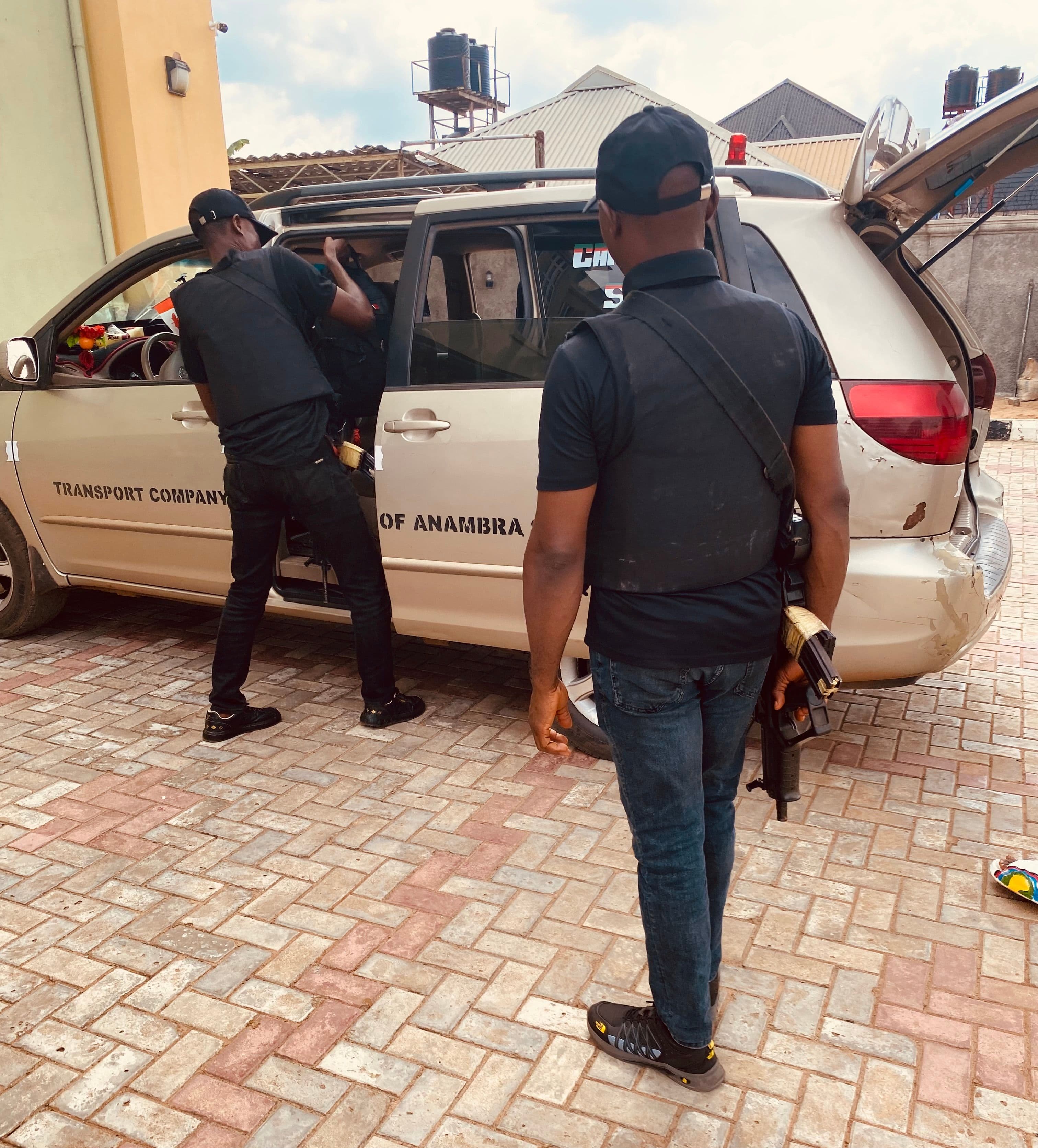
When we arrived in Anambra State, Chuks had organised with us to have security escort. This was important, even though the area is relatively safe, there is prevalence of more violent crime than in the countries I am used to – especially if you look like you have money. Kidnappings and shootings happen, so having a security car with armed guards made me feel safer.
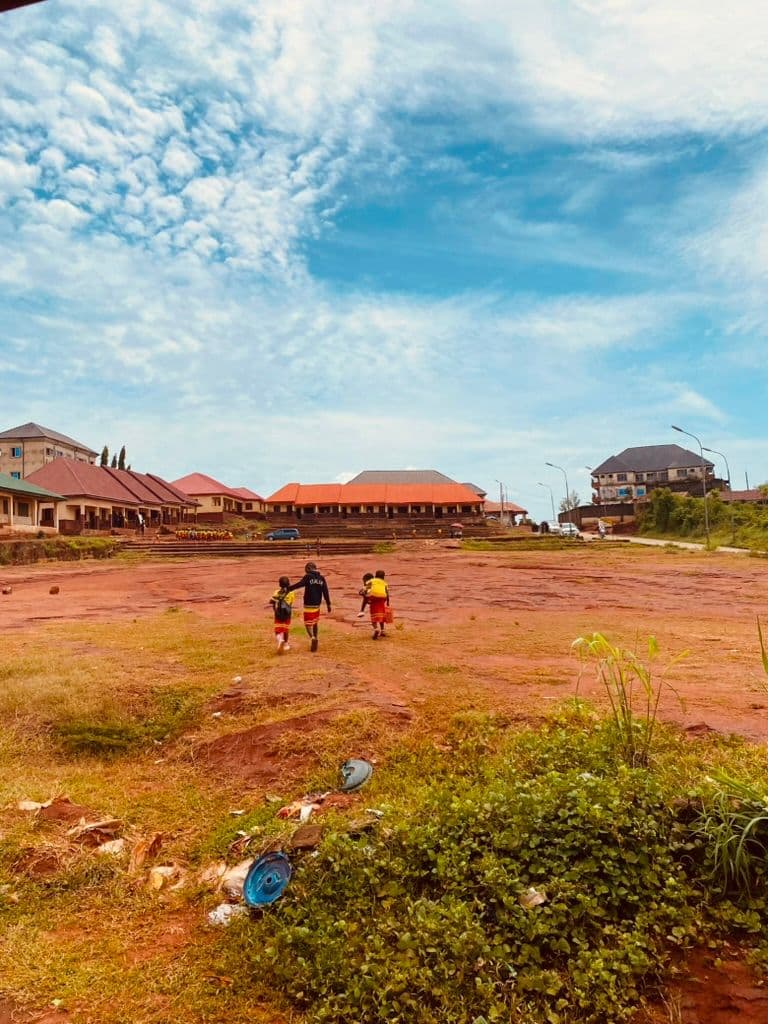
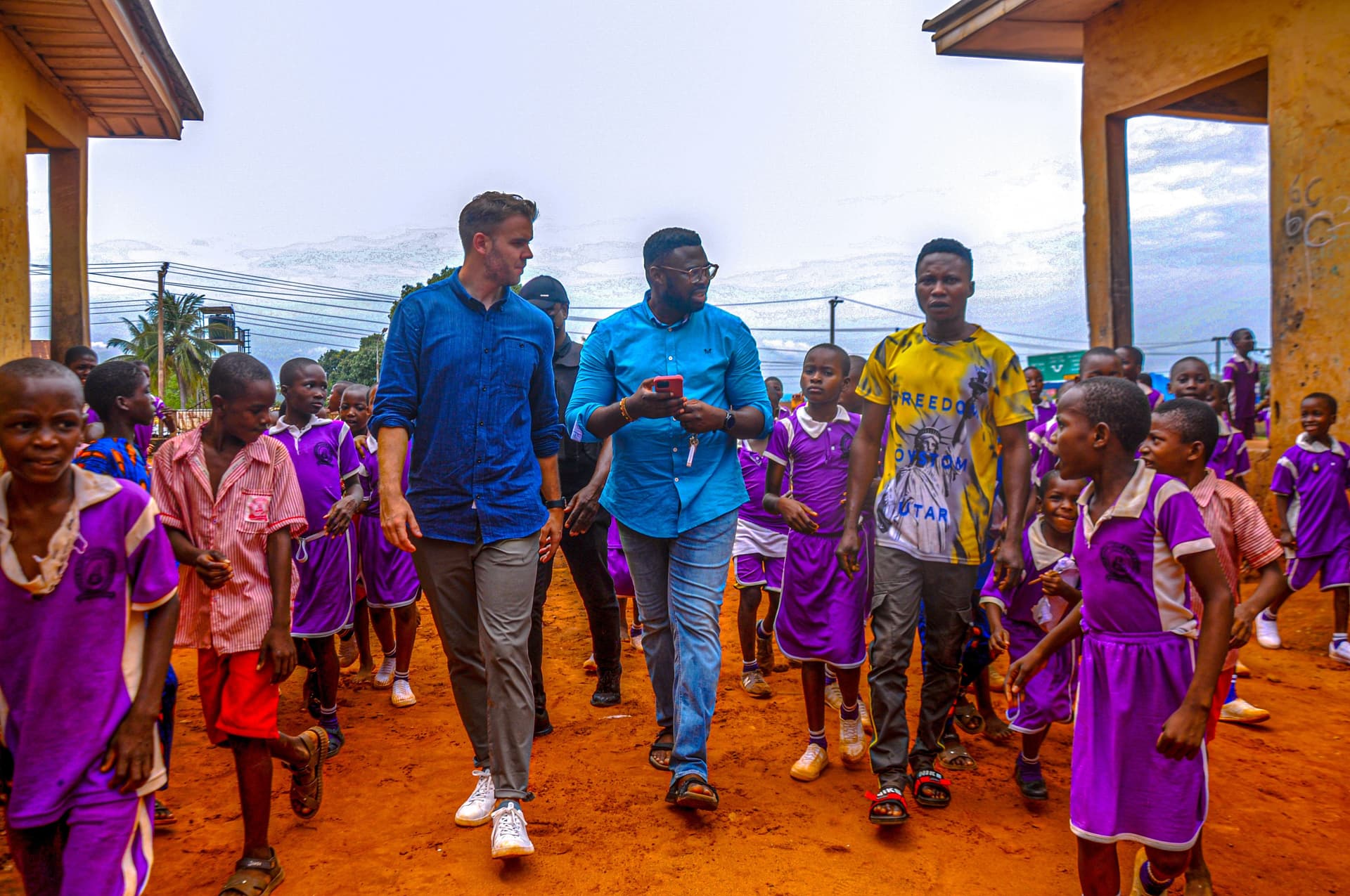
Out in Anambra we had a packed schedule lined up. We were going to start by visiting some local public school to grasp what the current situation is for children who want to attend school. It was a eye-opening moment for me to visit some of these schools, seeing close to 100 children in a small room, with one book being shared amongst them, knowing that although the education is theoretically free, they still must pay certain smaller school fees which many parents cannot afford.
We also visited some private schools for comparison, which obviously looked much more conducive as a learning environment, but they charge accordingly and price out many of the local children.
After our visit to the local schools, it was very evident that our help could be very well received to this community.
Next, we visited the local orphanage, to tell them about our project and put them on our radar for children that might benefit from free, quality education. It was the first time I visited an orphanage, and it is a very heartbreaking experience to see all these abandoned children in a community with already relatively low future prospect. We were very well received, and the owner of the orphanage was excited to hear about our project.
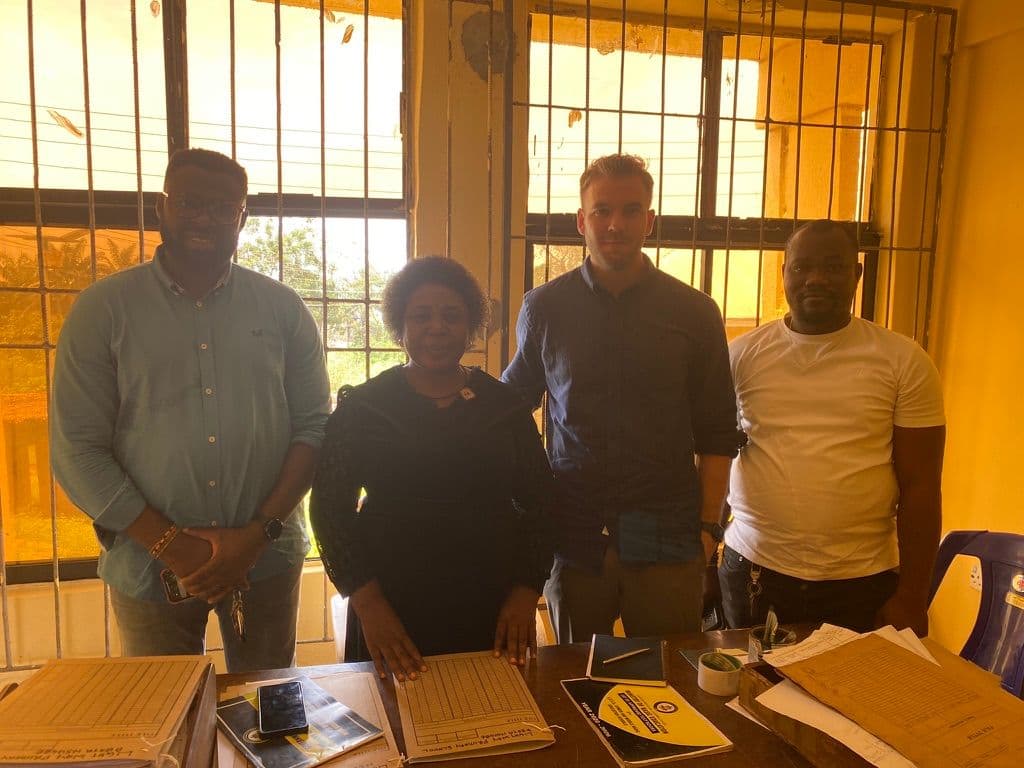
Next up we had arranged a meeting with local government official of education. She welcomed us to her office and told us about their challenges with funding (mainly due to corruption) and how the public-school quality suffers greatly. She endorsed our ambition and promised to help us out with school registrations and any other bureaucracy once we get started.
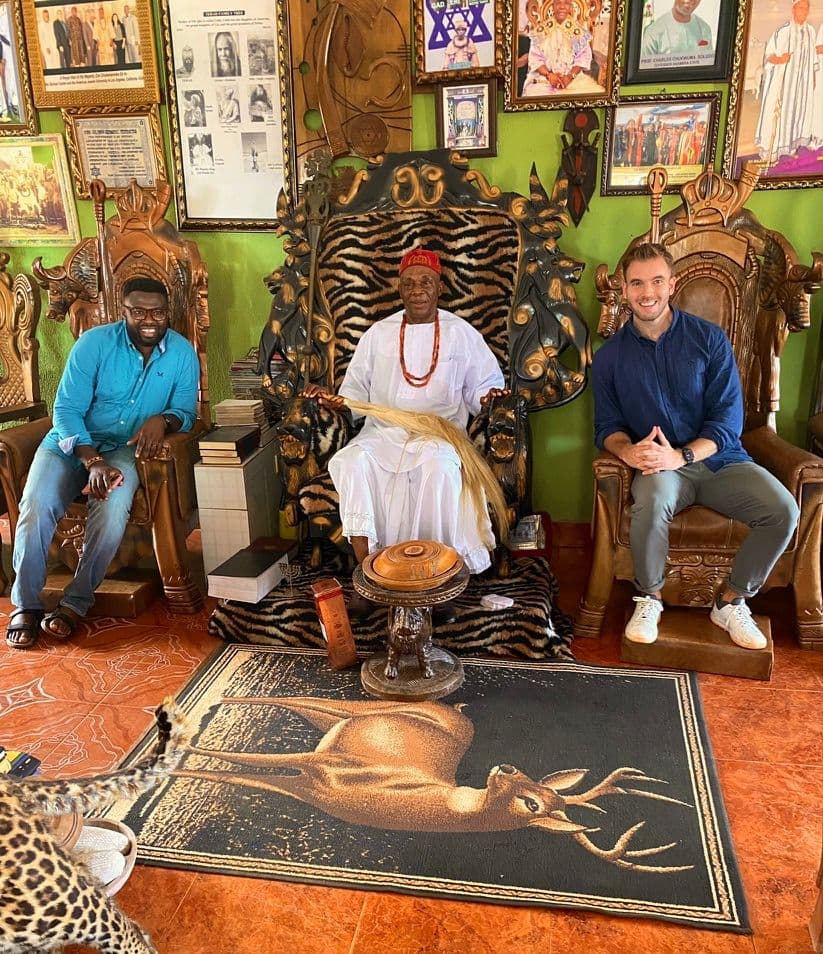
After that we wanted to meet with some local leader of the community. We were invited to come and greet the village king in his palace. It was a very surreal experience. We had brought some local gifts (we had heard he enjoyed whiskey) and were sat in a big room with a stuffed leopard and a plaided throne. He eventually came out to greet us, and we explained about our project and asked for his blessing. He fully endorsed a project by us in his village and promised to come and open the school for us in a ceremony once it was built.
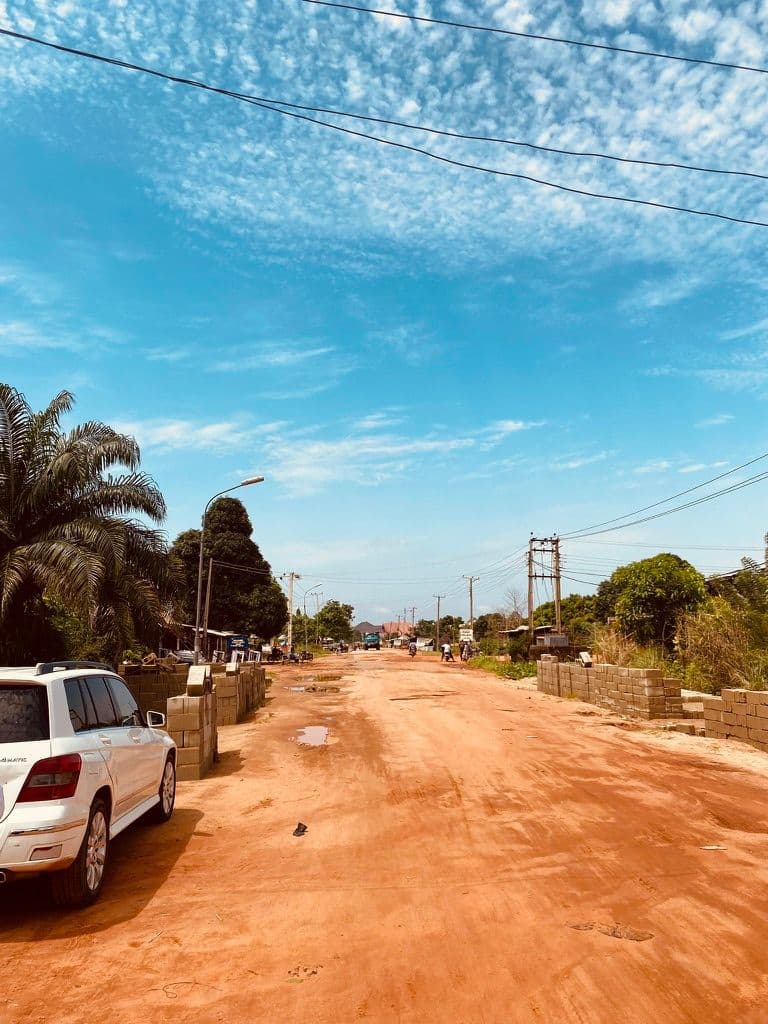
Our last meetings in the village were with a local organisation of people from Anambra State who had left the state and lived abroad. We thought this was a good group to collaborate with, because they would all understand the importance of education to be able to pursue bigger opportunities outside of the village. This became a very important meeting for us, because in the end they committed to supply us with plots of land to build a school on. We subsequently, went and looked at a few plots to determine which best would suit our needs.
As we left Anambra State to get on our way home I had so many new experiences to unpack, and we had a wealth of new knowledge to take home to London with us to progress.
As the memories from the trip started to sink in a little bit, my reflections of Nigeria became clearer. This is an emerging powerful nation. They have a very entrepreneurial and business-minded population willing to work hard to be successful. But they also have a growing frustration from the high prevalence of corruption in the country and the inefficiencies that brings to their society.
My final thoughts from the trip were of gratitude. Gratitude from getting the chance to experience real life, in a non-touristypart of Africa. It was a unique experience for someone with my upbringing that still today affects the way I view the world.
We went home to London, with a pledge that we would come back soon again, with major progress on the way.